For many millennia the human race has evolved with natural light. Natural light is intrinsic to our overall well-being as it significantly affects the body-own circadian system. The circadian system and its specific rhythms refer to the physical, mental, and behavioural changes that follow a daily cycle, such as sleeping at night and being awake during the day which is a classic example of a light-related circadian rhythm. It is now well accepted that many immune functions display prominent rhythms in synchrony with the regular 24-h sleep–wake cycle, including the meridian system, and readily communicate between the central and somatic nervous system, endocrine system and immune system by transmitting and exchanging neurotransmitters, hormones and cytokines. Therefore, having the right balance and quality of wake and sleep cycles is critical to achieving wellness. More on the circadian rhythms can be found in our blogpost Sleep-Hygiene which explores how perfecting sleep improves wellness, health and harmony.
Human evolution has eventuated in that many of us now live and work in a world filled with artificial light – which is why it is ever so important to recognize and utilize this abundant natural resource as well as incorporate creative and modern solutions within our homes and offices. Light exposure determines how our body synchronizes which affects health and wellbeing. At an optimum this would be natural sunlight being bright and blue during the day, transitioning to soft and warm in the evening, then fading gradually into natural darkness. Being aware of and embracing our natural biological rhythms results in that we are less likely to become sick, and if we do so, we recover and heal significantly faster. It is therefore essential to designing homes and office spaces that effectively utilize natural sunlight and provide high quality lighting, preferably having a well-adjusted circadian lighting system installed.
Windows

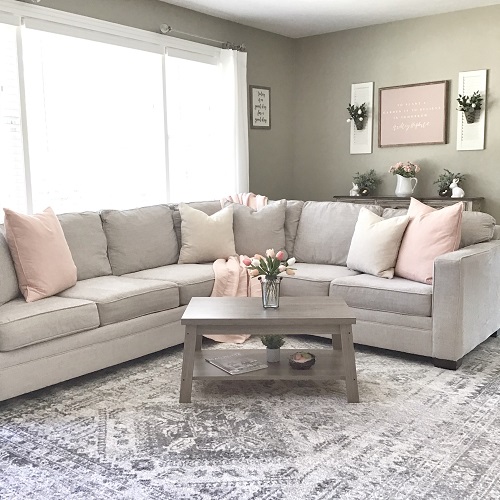
 Natural light can be attracted in many different ways and the most obvious one is through windows. However, this option can become significantly expensive and is often not possible. Nonetheless, research within the building industry suggests that rooms used predominantly during the daytime should have a glazing ratio (window to wall) of at least 20% and above, whilst other rooms should be 20% and below. Of course, these figures all depend on architectural design and the structure of your house or office, as well as building codes and regulations. Where financially and structurally feasible, it may be worthwhile to consider enlarging window sections. This can be achieved by inserting a larger single window or installing twin glassed, or a large sliding door, that connect to outdoor spaces such as the veranda or balcony. Another method which is gaining in popularity is installing skylight windows. These provide a sensation of increased headspace and contribute significantly in the provision of natural lighting.
Lighting Systems
There are uncountable options and price ranges for people to choose from when wanting to improve the lighting within their homes and office spaces. As this article is about natural light and supporting people to maximise their health and wellness, we will therefore only focus on the concept of circadian lighting solutions.
An increasing number of companies are providing various approaches to circadian lighting. They may provide any of or all of the current three approaches Intensity Tuning, Colour Tuning and Stimulus Tuning.
Intensity tuning is a simple and cost-effective approach where the brightness of the light becomes automatically adjusted in accordance to the current time of the day. Light fixtures are set to a lower intensity in the early morning, transition to a higher intensity as the day progresses, and reduce to a lower intensity in the evening.
Colour tuning is more advanced as it involves changing the light intensity, and in addition adjusts the correlated colour temperature in order to replicate the daytime / night-time cycle. Naturally, the colour spectrum of the sun is determined by its position. This temperature would be cool and bright during midday and triggers general alertness in people. In contrast, a warm and mellow light would represent sunrise or sunset. For example, colour tuning artificial light gradually from daylight into sunset would decrease the cool-blue lighting spectrum and induce warmer and mellower tones of colour. This gradual increase prompts an increase in the production of the hormone melatonin which induces and supports rest and sleep.
Stimulus tuning focuses on mimicking the daylight colour spectrum of blue light wavelengths. Its technology is however designed to replace the “harmful blue” with the “good blue” wavelengths. This approach supports limiting the suppression effects blue light has on melatonin without having to change the correlated colour temperature. Stimulus tuning is most effective when paired with intensity tuning.
Whilst installing such comprehensive systems throughout the entire home can be significantly expensive, there are some low-budget and easy to do alternatives which support personal wellness. The company Philips for example has developed a system called SceneSwitch which is significantly cost effective and easy to install. The SceneSwitch light-bulb is simply screwed into its holding and by switching the power on or off will trigger three distinct lighting effects. Another option some people go for are Wake-Up and individual stand-alone circadian lamps. These come in different shapes and sizes with their cost remaining well below the full-grown home-kit systems.
Something to keep in mind regardless of having an entire circadian light system or just a stand-alone light installed is the use of BluBlox Glasses. Blue light is found in both natural and artificial light. Whilst natural blue light is important to receive during the day, its spectrum fades significantly towards the afternoon. However, artificial blue light is significantly emitted from conventional lighting systems and electronic devices which include your smartphone, computer and TV screens. Prolonged exposure to blue light increases alertness and stress hormones, and as earlier mentioned also suppresses the production of melatonin which we require to rest, rejuvenate and have a quality sleep cycle. Wearing blue-light filtering glasses, such as BluBlox, during the day filter out harmful blue light from digital devices thus allowing you to feel more relaxed and less stressed. It also removes digital eyestrain which includes itchy eyes, headaches and fatigue, which many people are increasingly experiencing.